Some evenings your child has a book ready before you ask. On others, you might spend longer choosing a story than reading one.
I’d start with what your child is interested in and how much time you have together. Then take a quick look at the pictures, the amount of text and the ending. An age label can help you browse, but children of the same age don’t all enjoy the same stories.
Follow their interests
A child who loves trains might enjoy a journey. One who keeps pointing out animals might choose a book about them. You don’t need a new subject every night: an old favourite is a perfectly good choice.
Try offering two books and letting your child pick. If neither appeals, you can return to a story they already know. Reading Rockets suggests considering a child’s interest in the subject, characters and illustrations when choosing a read-aloud. Think of those as possibilities, not a checklist every book must pass.
Take a look inside
Open a few pages before you begin. Is the text comfortable for you to read aloud? Would your child like to stop and look at the pictures? If the evening is short, you might choose a short story or read one chapter and leave the rest for another day.
There’s no single number of pages I’d prescribe for every three- to six-year-old. You can pause for a question, close the book partway through, or keep going if you both want to. The right length tonight is the one that fits the time you have together.
Check what happens before the end
A cover won’t always tell you whether a story has a tense moment or how it resolves. Skim a few illustrations and the final page. If a new story feels like too much for tonight, keep it for another day and choose something familiar instead.
That doesn’t mean every bedtime book must be free of adventure or difficult feelings. You know your child’s interests and can decide what you’d like to read together.
Leave room for their response
Your child might ask why a character got on the train, point out something in a picture, or simply want to listen. You can follow their lead. A question can turn into a conversation, but you don’t have to turn reading into an activity with a right answer.
If they ask for the same book again, it’s fine to read it again. You might hear them retell a favourite part or notice a detail you passed over last time.
Paper book or reading app?
For the time just before bed, a paper book is one option. The American Academy of Pediatrics recommends turning off screens at least an hour before bedtime and keeping them out of children’s bedrooms, especially at night. It’s a general recommendation, not a promise that a particular story will help a child sleep.
If you enjoy reading on a screen, you could do that earlier in the evening and choose a paper book closer to bedtime. Decide what works for your family while taking that recommendation into account.
One example from Milo
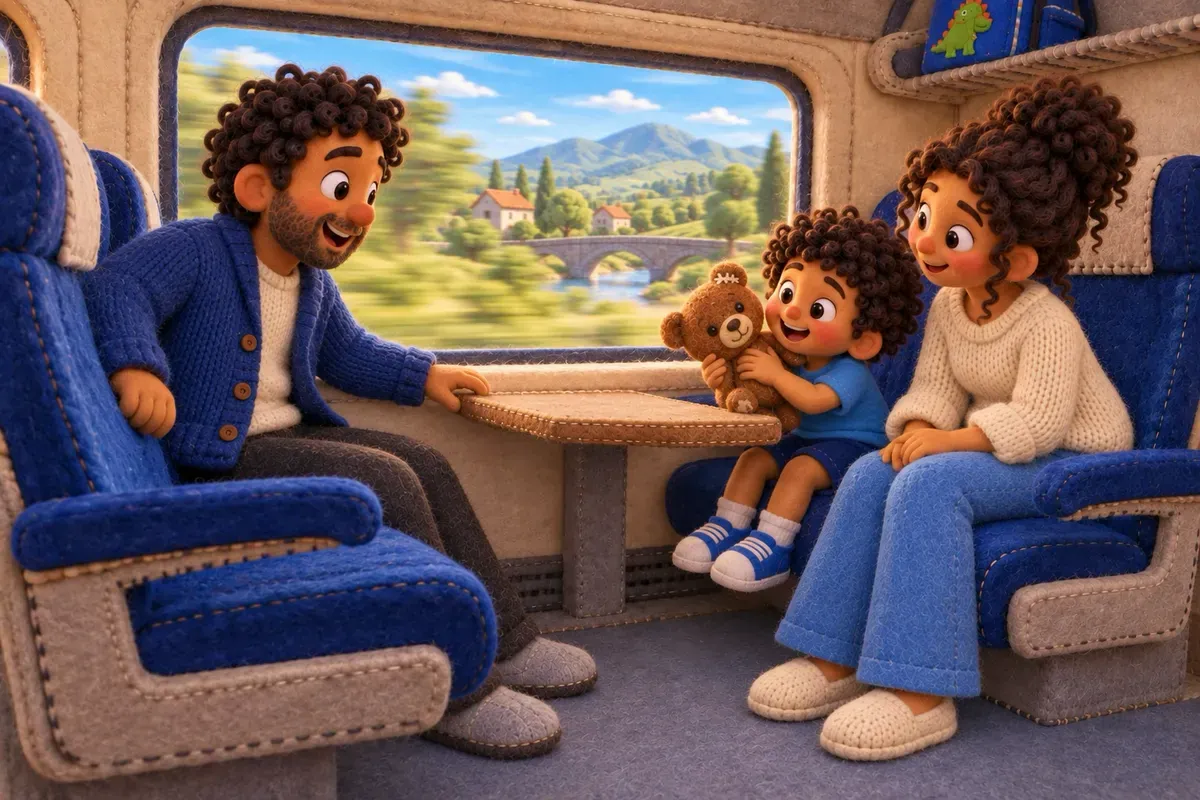
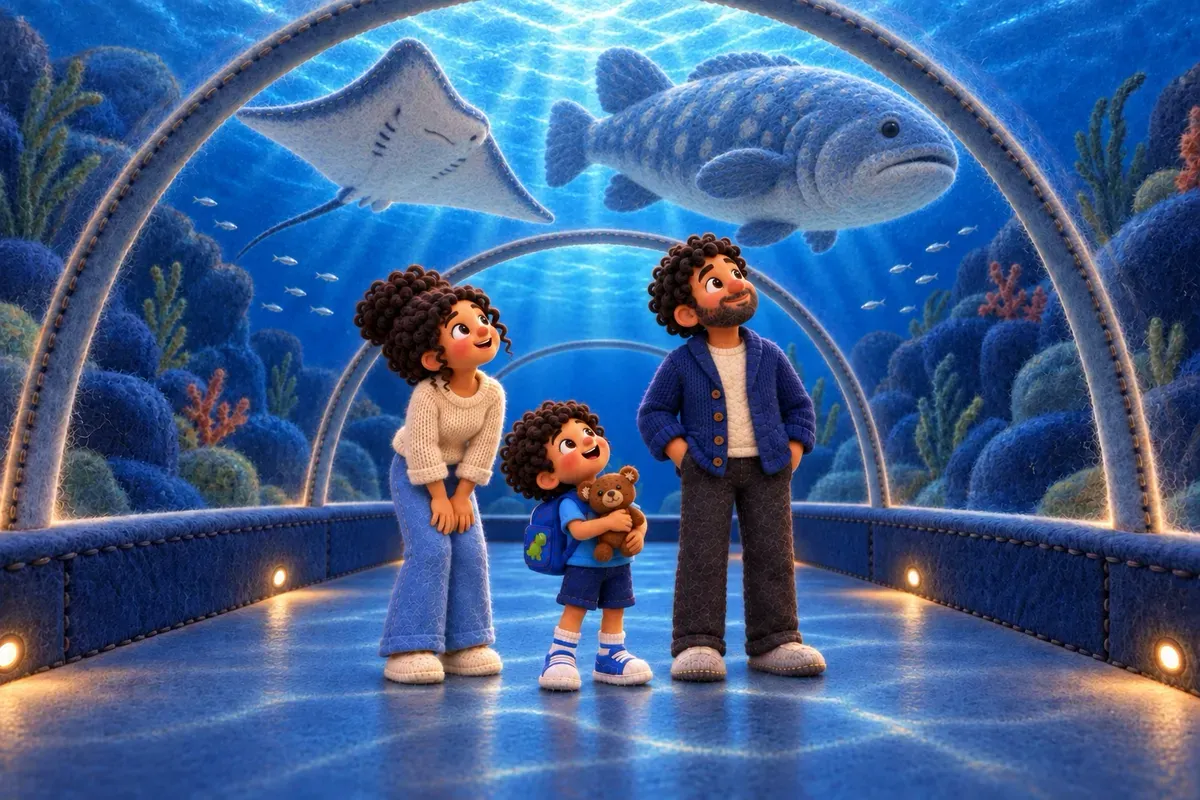
I wrote Milo and the Train to the Big Fish for Milo. It follows Milo’s first trip on a big train, taking him to an aquarium, so it may be a choice for a child interested in travel or animals. As with any unfamiliar book, you can look at the opening pages together before deciding whether to carry on.
Tonight’s story doesn’t have to be the perfect one. It can simply be the one you both picked up and wanted to share.